Aluminum PCB Manufacturing for High-Thermal Electronics
Precision-fabricated metal core substrates delivering 1.0 to 12.0 W/m·K thermal conductivity and up to 6,000V AC isolation. Built to eliminate heat bottlenecks in automotive lighting, high-power LED arrays, and EV power converters.

CAPABILITY & TOLERANCES
Engineering Data & Manufacturing Abilities
Quantified mechanical thresholds, thermal boundaries, and tight-tolerance production capabilities.
Standard IMS (1-2W) · High-Flux (4-8W) · Direct Thermal Path (12W)
100% production Hi-Pot tested · Trip threshold <0.01mA leakage
High-amperage trace bus for EV power & motor drive inverters
Custom length for architectural and stadium linear light bars
CNC routing tolerance ±0.10 mm · Clean break-away edge quality
Genuine Taiyo WT-200 mask · Non-yellowing after 3x 260°C reflow
CASES
Recent Case Gallery
Manufactured for global automotive, industrial lighting, and power supply leaders.
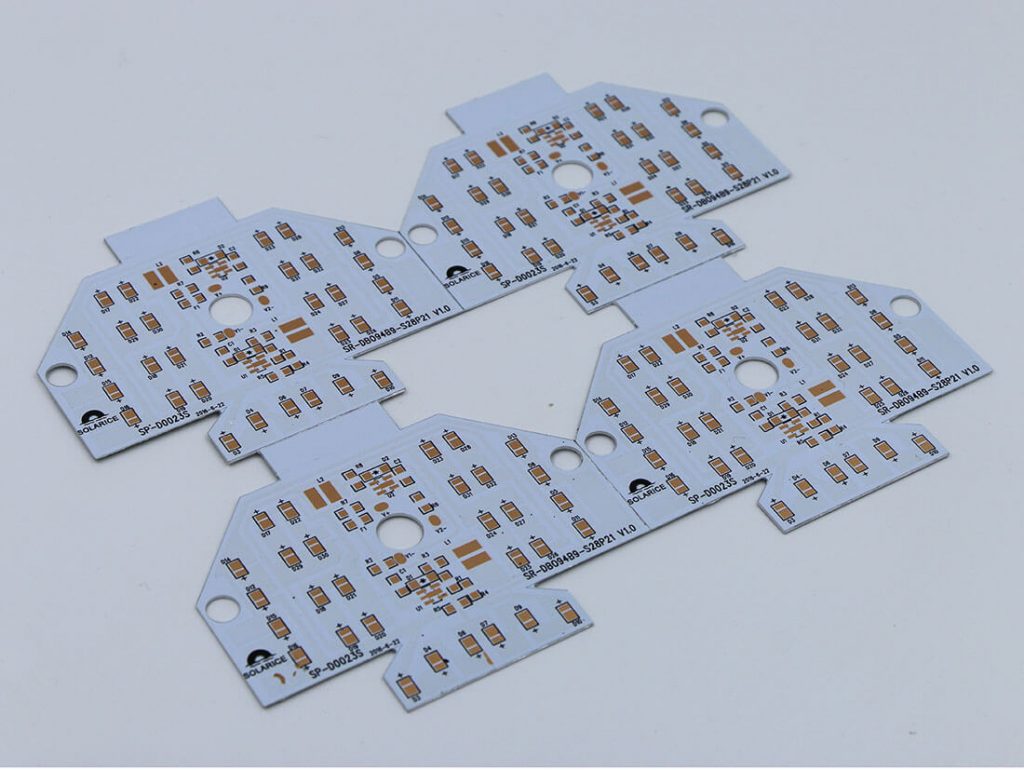
Taiyo Super-White LED Board
1-Layer · 2.0 W/m·K · Non-Yellowing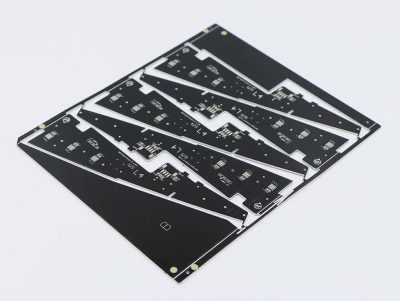
2-Layer Double-Sided Board
2-Layer · Plated Vias · FR4 Hybrid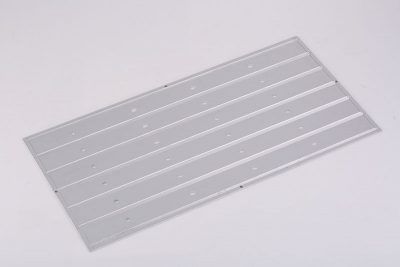
Deep Milling & Cavity Board
CNC Cavity · Step Milling · Al 6061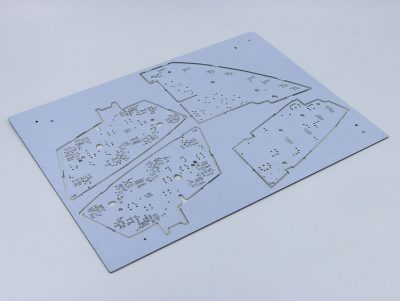
Automotive DRL LED Board
4.0 W/m·K · ENIG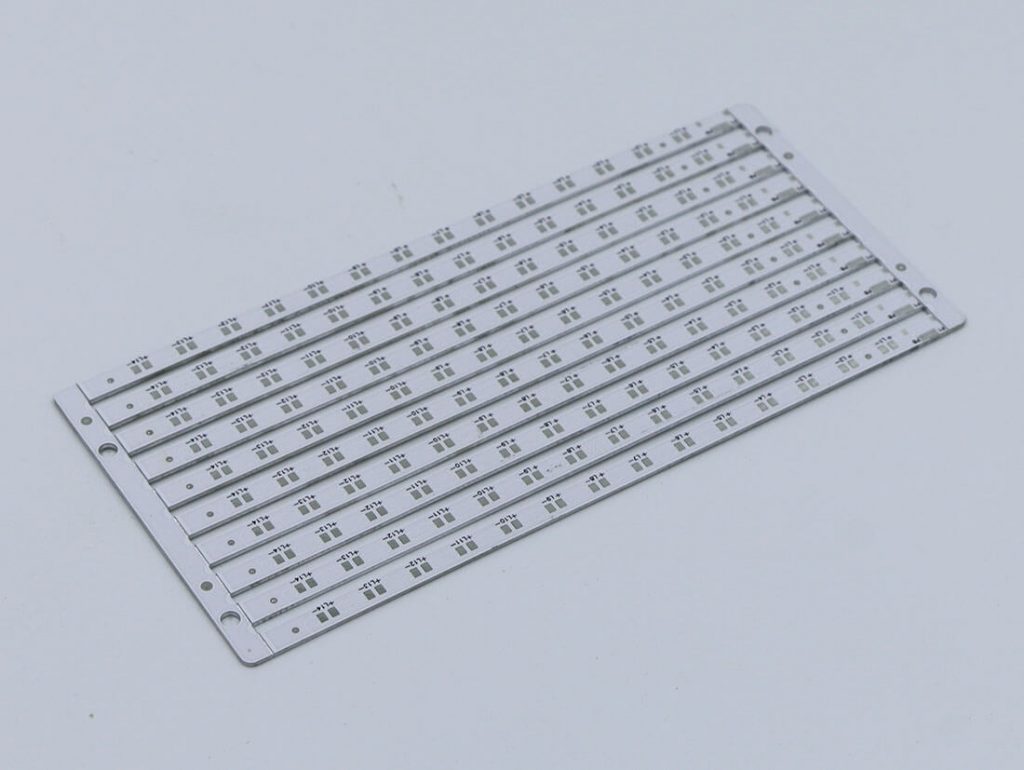
1200mm Linear Light Bar
1200mm Length · Precision V-Cut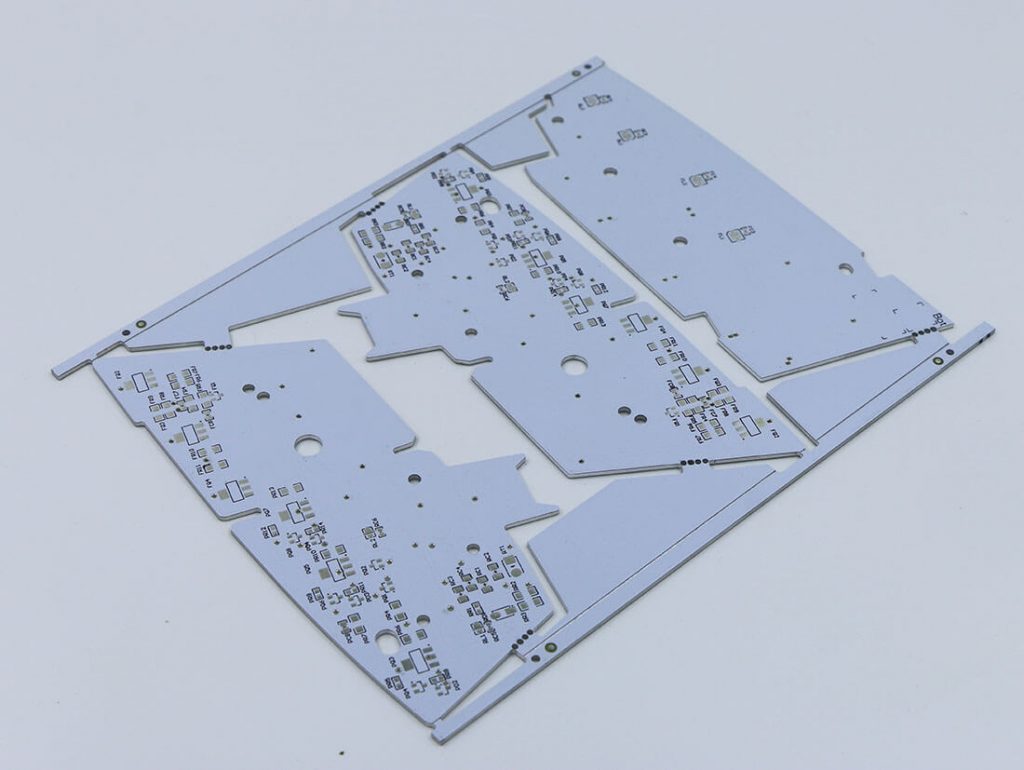
Circular Array MCPCB
Round Array · Super White Mask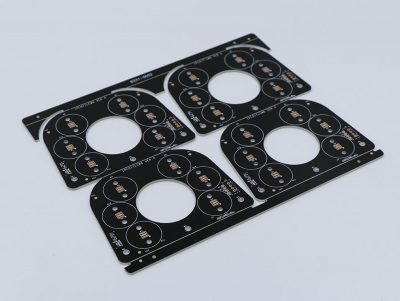
4oz Heavy Copper Slot Board
4oz Copper · Power Supply Inverter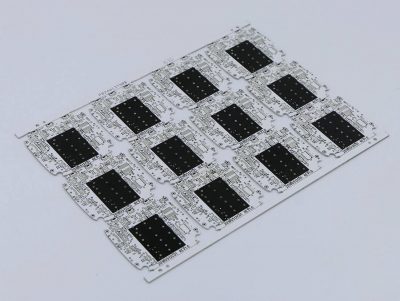
4-Layer Hybrid Aluminium
4-Layer · Microvias · 3.0 W/m·KENGINEERING & SOURCING ADVISORY
Frequently Asked Questions
Key considerations for specifying, tooling, and manufacturing high-reliability aluminum PCBs.
How do I choose the right thermal conductivity (1W vs 2W vs 4W vs 8W)?
1.0–1.5 W/m·K is ideal for standard architectural LED fixtures (≤0.5W/LED). 2.0–4.0 W/m·K is recommended for automotive headlights, high-bay luminaires, and power supplies. For dense matrix LEDs (>10W/cm²), specify 8.0–12.0 W/m·K or Direct Thermal Path (DTP).
What Hi-Pot dielectric breakdown voltage tests are performed?
100% of production boards undergo high-potential insulation testing from 3000V to 6000V AC. A strict 0.01mA leakage trip threshold ensures zero micro-dielectric punch-through in high-voltage industrial systems.
How do you prevent white solder mask yellowing during SMT reflow?
We exclusively formulate genuine Taiyo WT-200 and PSR-4000 series masks. They maintain >90% optical reflectivity without discoloration even after 3 lead-free reflow passes at 260°C peak temperatures.
What are the design rules for V-Scoring and panelization?
Standard scoring angle is 30° or 45°. Residual web thickness is held to 1/3 of total board thickness ±0.05 mm. Minimum clearance from trace to score line is 0.40 mm to prevent edge burrs or dielectric stress.
What is the turnaround lead time for prototypes and volume production?
Single-sided 1.0–2.0W quickturn prototypes ship in 24–48 hours. Double-sided and 4.0W+ substrates are completed in 3–5 working days. Volume production orders ship within 10–14 working days.
Can PS Electronics provide turnkey SMT assembly for aluminum boards?
Yes. Our SMT cleanroom facilities use 10-zone reflow ovens with customized thermal profiles specifically calibrated for the high thermal inertia of aluminum plates, ensuring 100% solder joint reliability.